 Monk Sera Tea
Brew Mindfully, Live Calmly
Monk Sera Tea
Brew Mindfully, Live Calmly
Monk Sera Tea
Brew Mindfully, Live Calmly
Monk Sera Tea
Brew Mindfully, Live Calmly
Darjeeling tea is unlike any other tea on earth. Grown between roughly 600 and 2,000 metres in the eastern Himalaya, it carries a floral, muscatel signature that has earned it the…
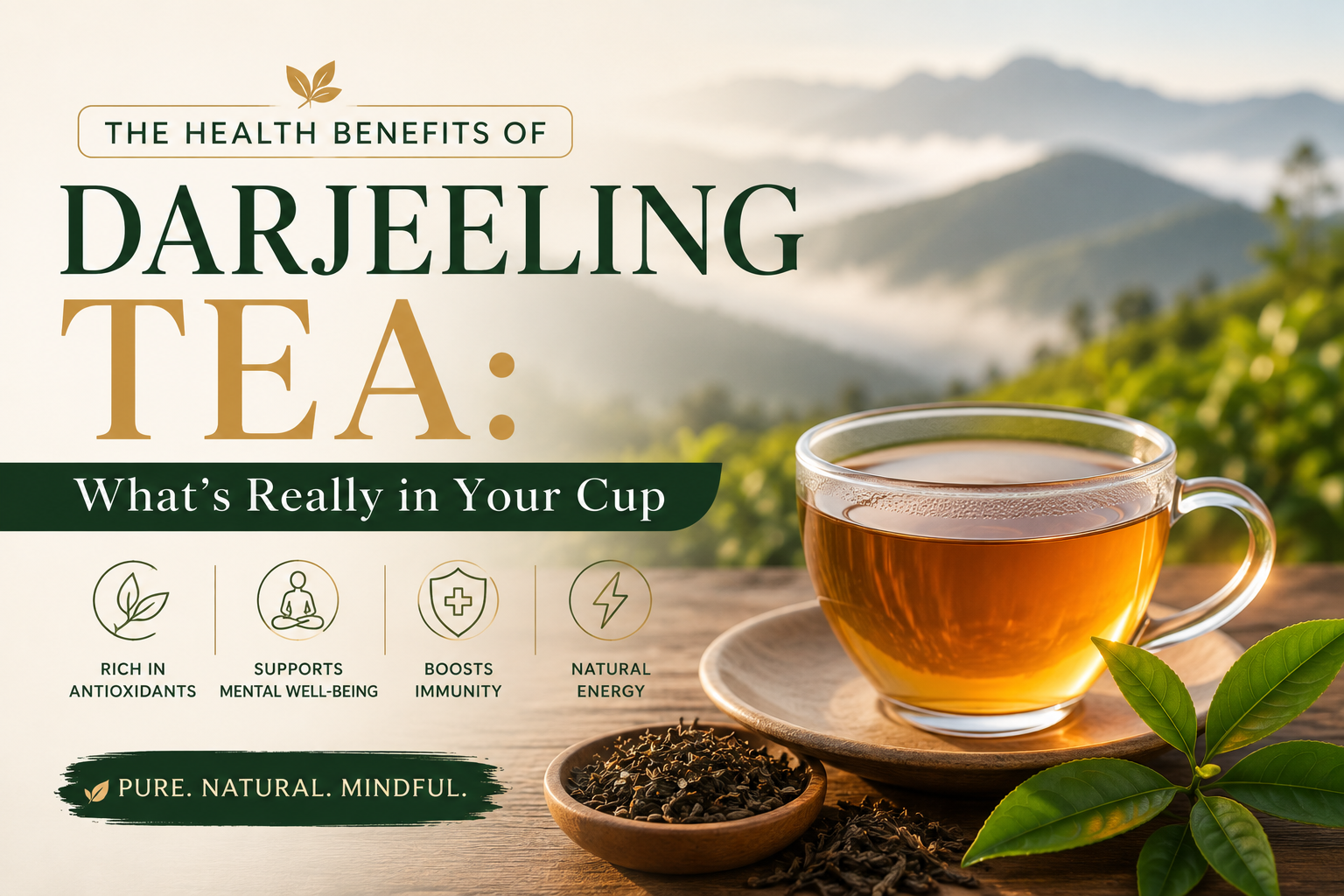
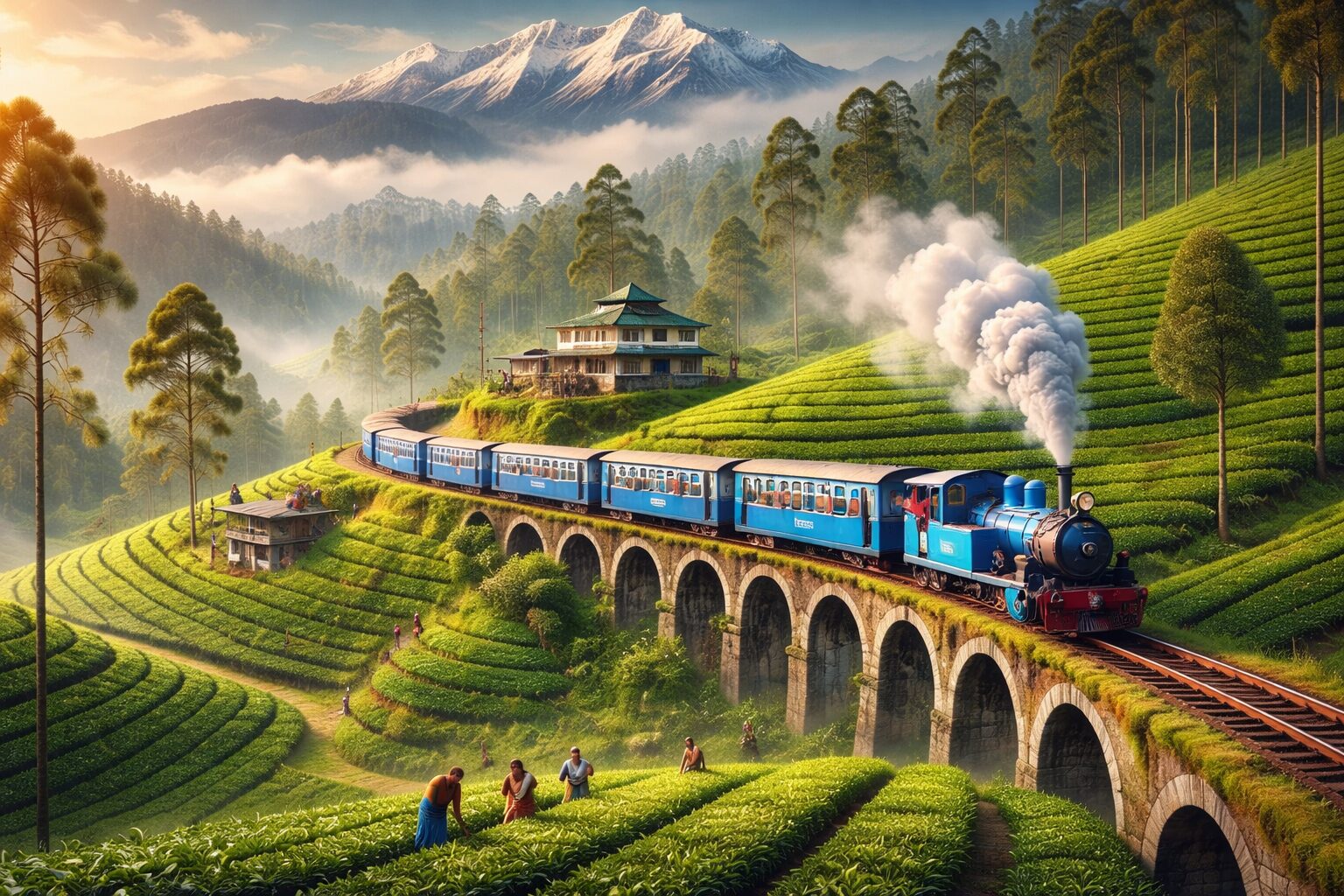
Darjeeling tea is unlike any other tea on earth. Grown between roughly 600 and 2,000 metres in the eastern Himalaya, it carries a floral, muscatel signature that has earned it the nickname the “Champagne of Teas.” This guide to Organic Darjeeling Tea: Why It Matters unpacks what makes Organic Darjeeling Tea so distinctive.
Organic Darjeeling Tea rewards a little knowledge. Below you will find a clear, expert walkthrough — from the essentials to practical tips — plus answers to the questions we hear most at Monk Sera. Use the table of contents to jump to what matters to you.
Organic Darjeeling Tea: Why It Matters sits at the heart of what makes Darjeeling Tea worth seeking out. The short version: quality starts in the garden — with altitude, careful cultivation and hand-plucking — and is preserved through small-batch, orthodox processing. Everything else, from aroma to brewing, follows from that foundation. Keep reading for the detail that turns a good cup into a great one.
Buy from sellers who name the region (ideally the garden), sell loose-leaf rather than dust, and are clear about flush and harvest year. Whole leaves, a fresh aroma and honest sourcing are the signs of the real thing. Monk Sera ships single-origin Darjeeling and Sittong tea fresh, with full transparency about where it comes from.
Three things converge in Darjeeling: altitude, terroir and the Camellia sinensis var. sinensis (China-type) bush. High elevation and cool air slow the leaf, concentrating the aromatic oils that give the tea its hallmark muscatel character — a grape-like, slightly wine-y note found almost nowhere else. The result is a lighter-bodied, intensely aromatic tea prized by connoisseurs worldwide.
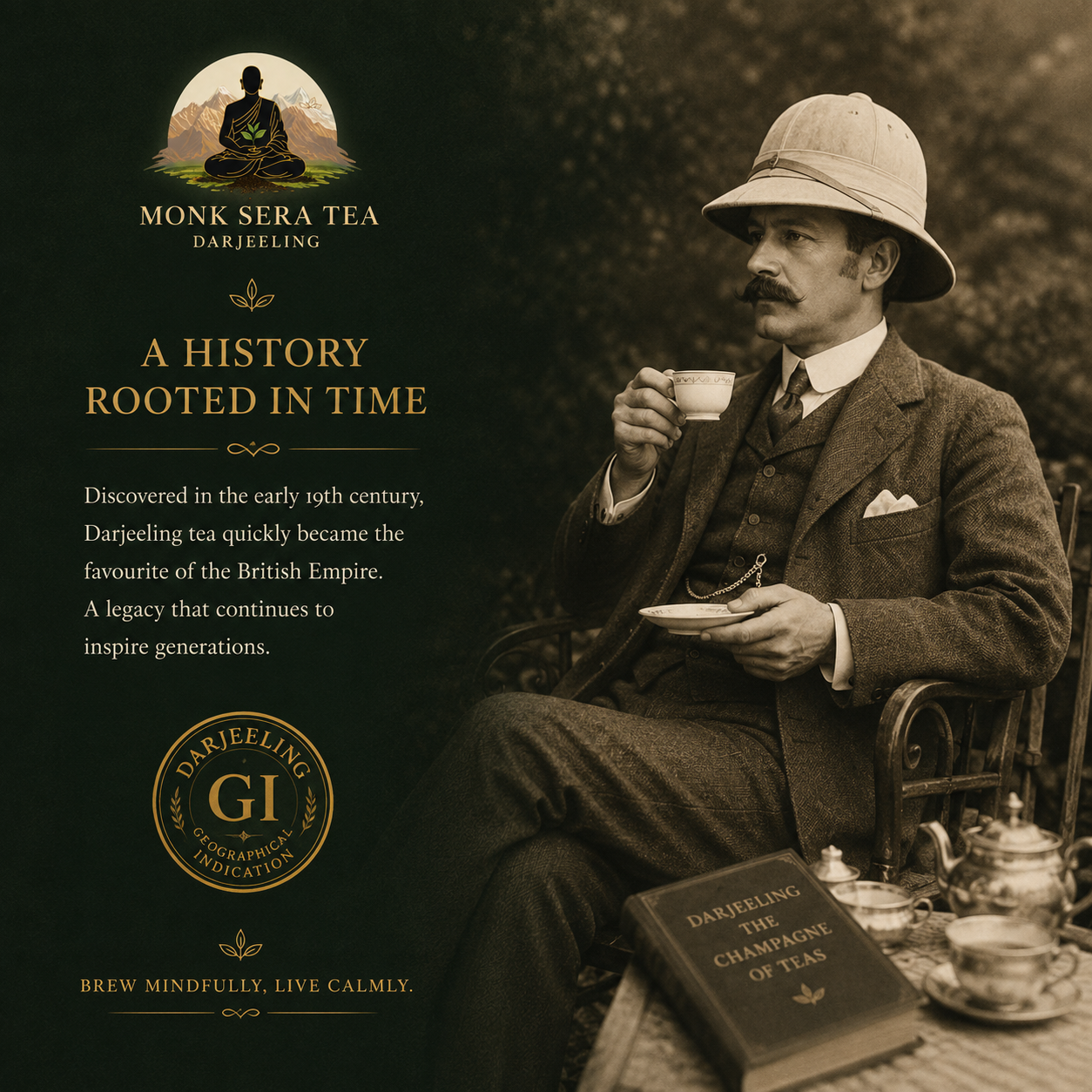
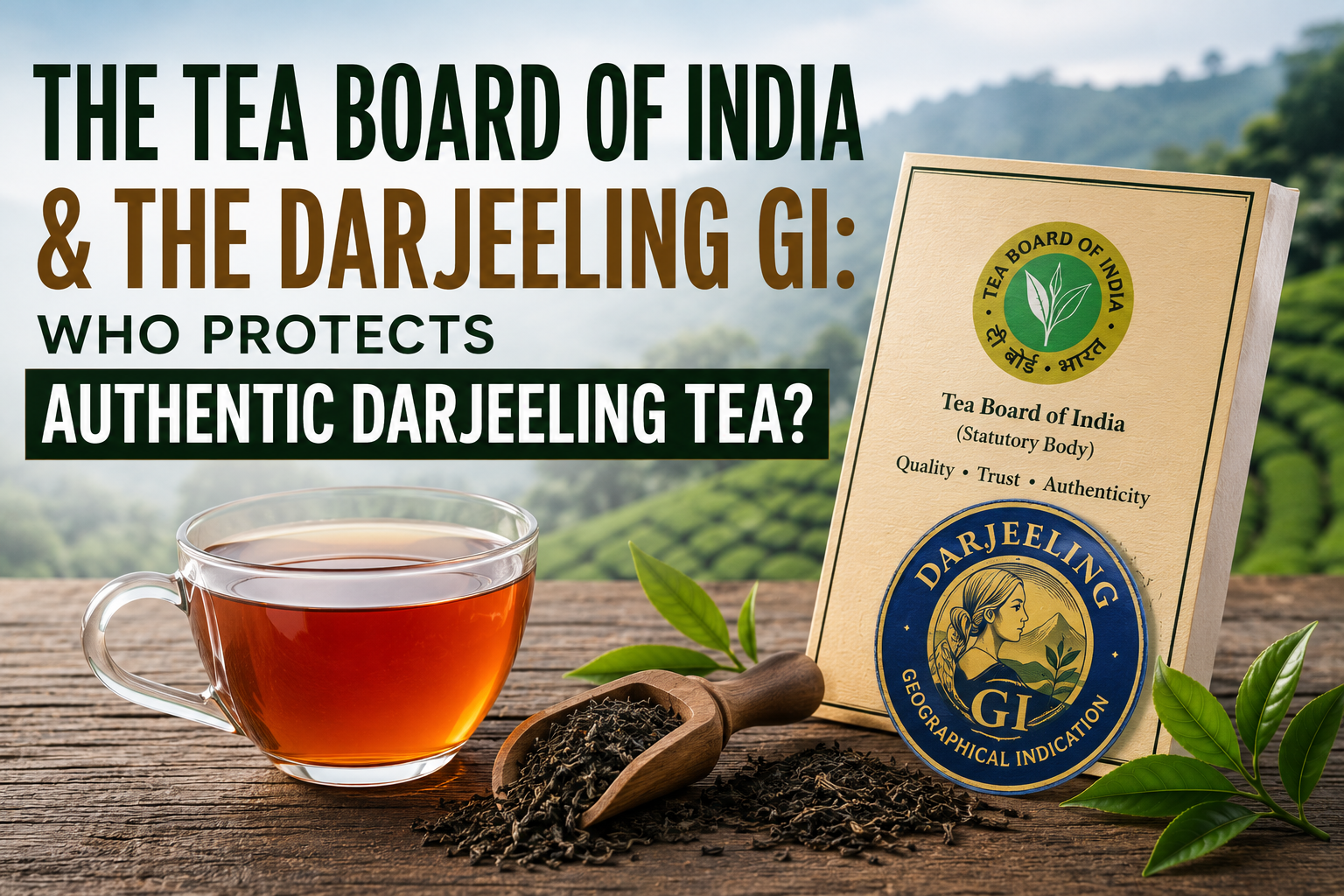
Tea came to Darjeeling in the mid-1800s when the British planted China-variety seed in the cool hill climate. The bushes thrived, and within decades Darjeeling had become a byword for quality. Today the name is protected by a Geographical Indication (GI), meaning only tea grown in the defined Darjeeling district may legally carry the name — a safeguard for both drinkers and growers.
Orthodox processing is the soul of Darjeeling. Freshly plucked leaves are withered to remove moisture, rolled to bruise the cells and start oxidation, oxidised for a controlled time to develop colour and flavour, then fired (dried) to lock everything in. Because it is done in small batches and largely by feel, orthodox tea keeps whole, twisted leaves and far more nuance than crush-tear-curl factory tea.
The Darjeeling GI tag is your guarantee of origin. It certifies that the tea was grown and processed within the recognised Darjeeling region, by the standards that define it. When you buy GI-region tea from a transparent seller, you avoid the blended “Darjeeling-style” teas that dilute the real thing.
Darjeeling’s gardens spread across valleys and ridges — from well-known estates to small, emerging pockets such as Sittong. Elevation, slope aspect and soil all leave their mark, which is why two gardens a few kilometres apart can taste distinctly different. Exploring single-garden teas is one of the great pleasures of the category.
Like Champagne, true Darjeeling can only come from one place, is shaped by a cool climate and challenging terrain, and delivers an aromatic complexity that commands a premium. The comparison is more than marketing: the muscatel bloom of a fine second flush genuinely recalls the lifted aromatics of sparkling wine.
First flush (spring) teas are light, brisk and floral, plucked as the bushes wake after winter. Second flush (early summer) teas are rounder and fruitier, carrying the famous muscatel note. Later autumn flushes are darker and more robust. Each season is a different expression of the same garden — there is no single “best,” only what suits your mood and moment.
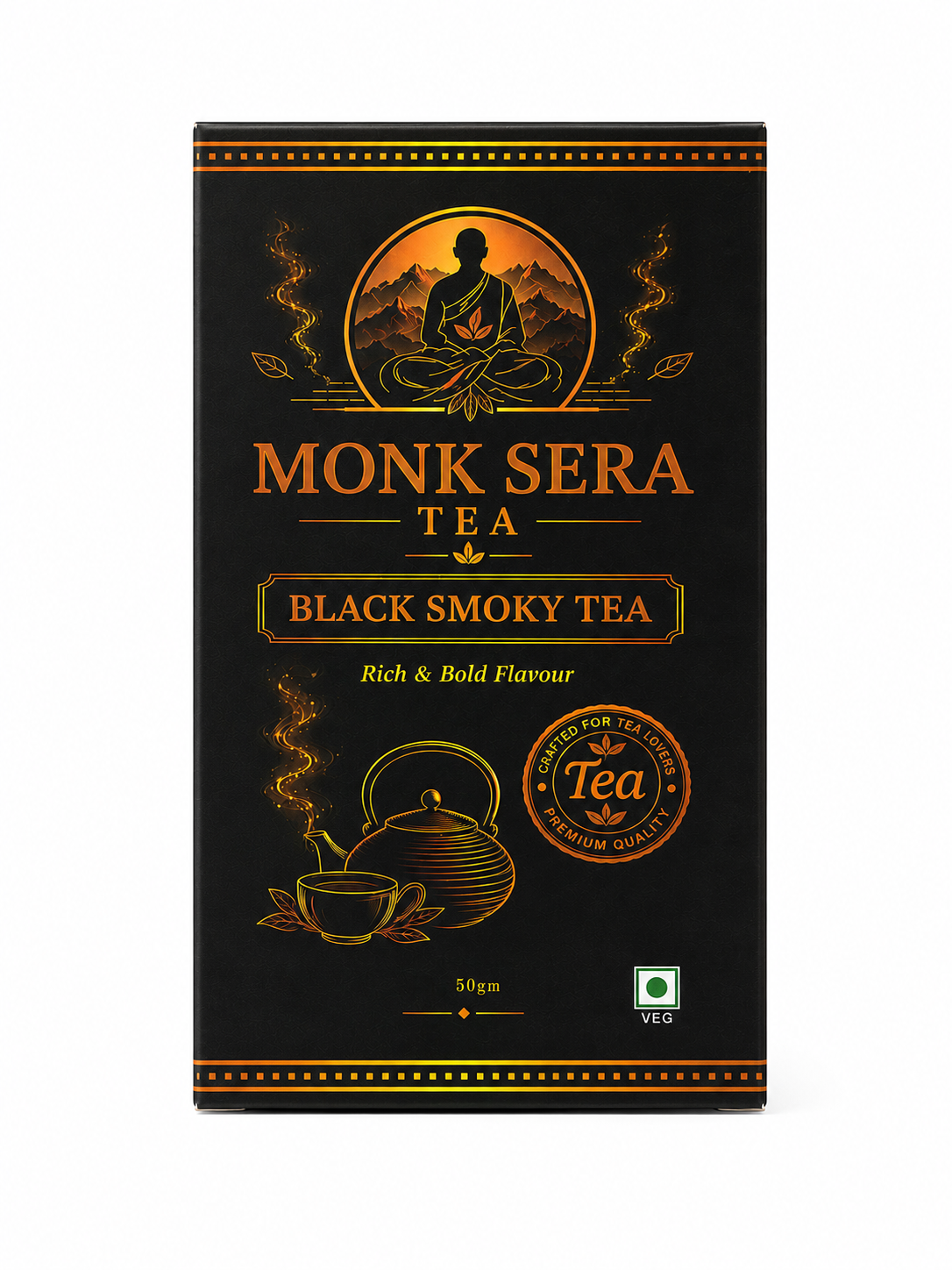
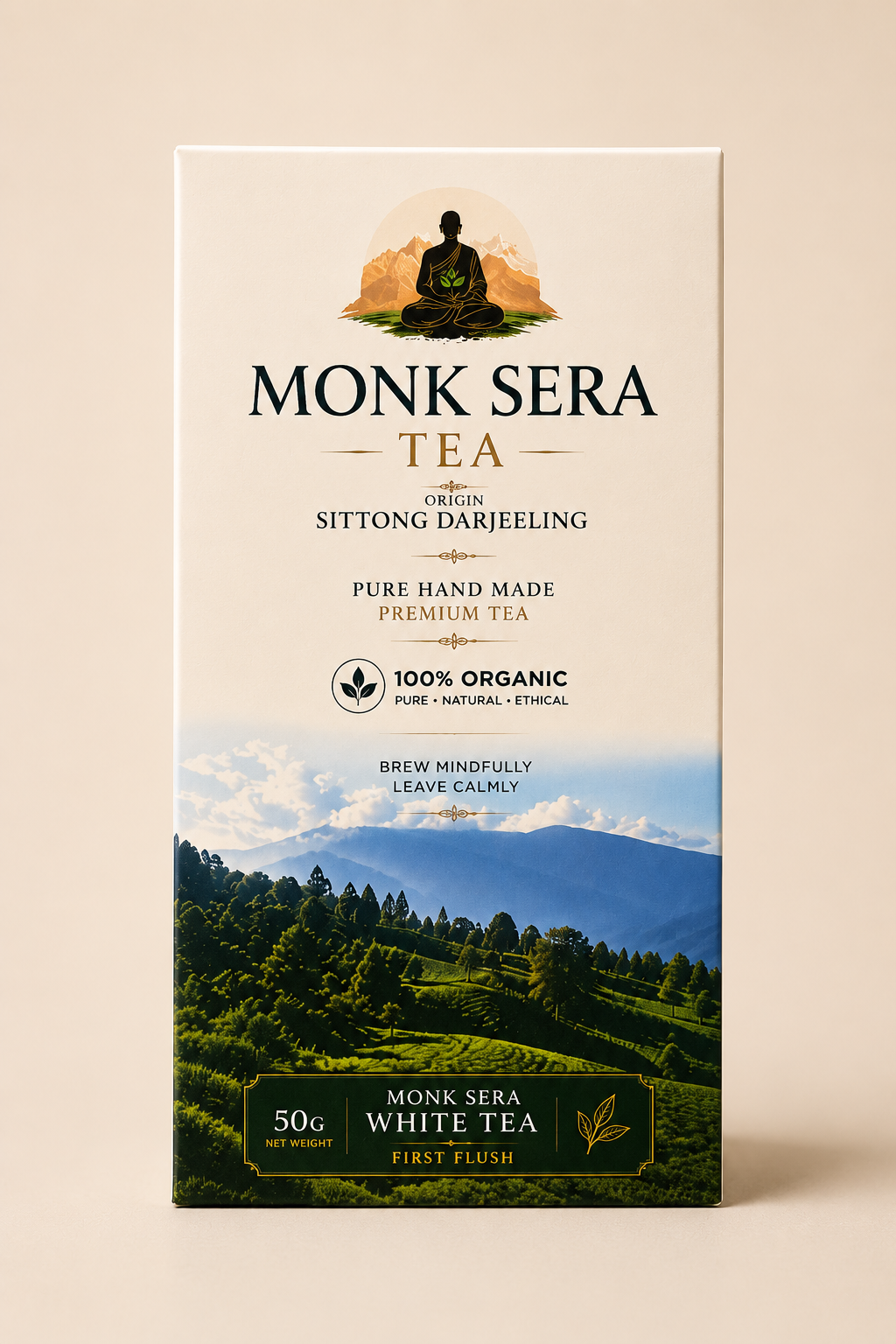
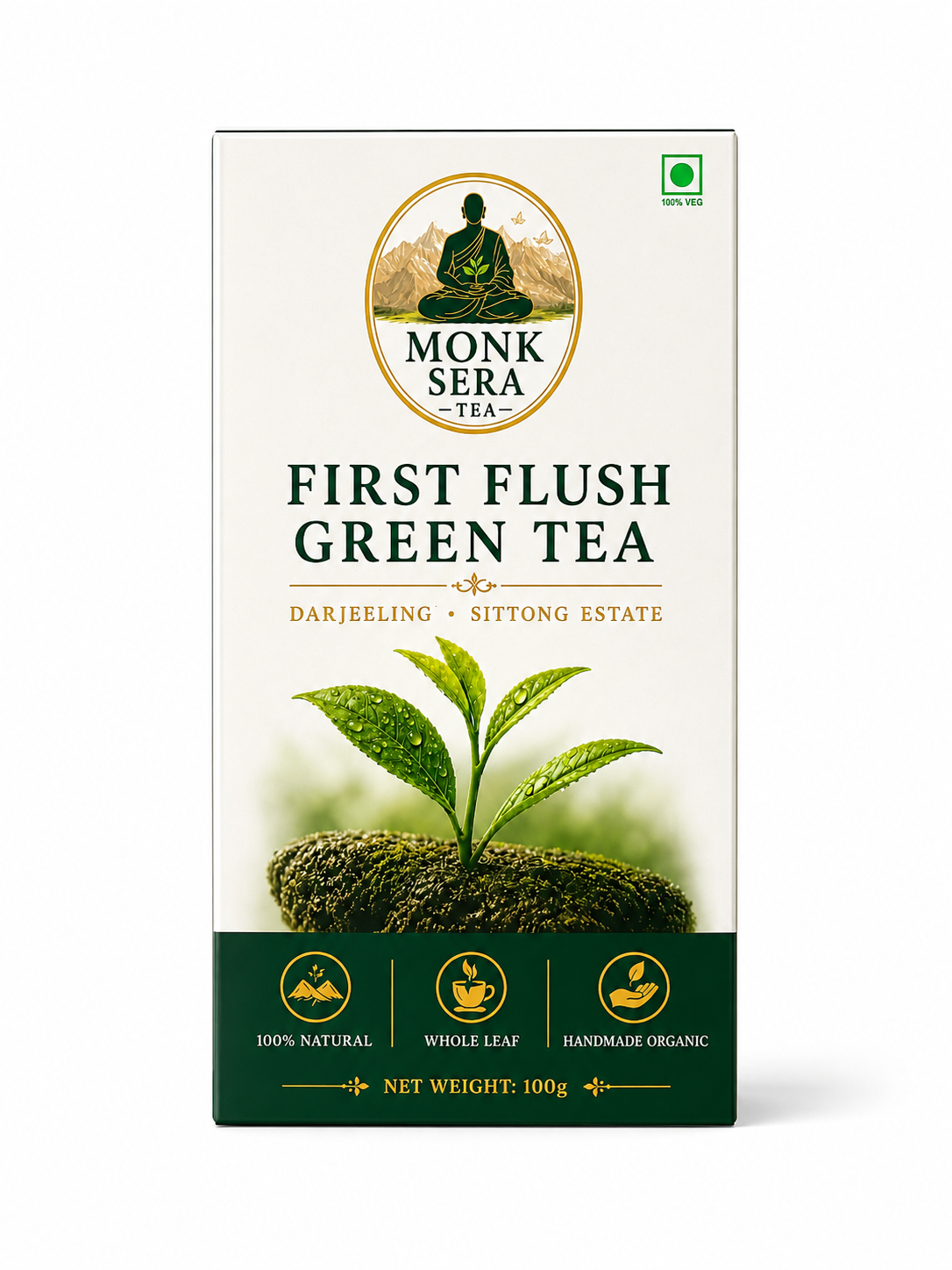
If this guide has you reaching for the kettle, here are two hand-crafted teas from our collection that pair beautifully with the topic above:
Browse the full range any time on our shop page.
The difference you taste in a premium Darjeeling cup is decided long before brewing. High elevation slows leaf growth, concentrating aromatic compounds; cool nights and bright days build the floral, muscatel notes the region is famous for. Our growers pluck by hand and process in small batches, which protects the delicate leaf and lets the tea master make judgement calls a factory line never could.
This is why single-origin loose-leaf tea consistently outperforms blended teabags: you get whole, intact leaves with their oils preserved, full traceability to a specific garden, and a flavour that reflects a real place and a real season.
At Monk Sera Tea, every leaf begins in the cool, mist-fed slopes of the Darjeeling Himalaya — including the quiet, high-altitude gardens of Sittong. We work with small-batch growers who still hand-pluck only the tender two leaves and a bud, the standard that separates truly fine tea from commodity blends. Nothing is rushed: leaves are withered, rolled, and finished in small lots so that each harvest keeps its origin character intact.
Our philosophy is simple and it is stitched into our motto, “Brew Mindfully. Live Calmly.” We believe great tea should be single-origin, organically grown, and honestly made — without artificial flavouring, dust-grade fillers, or anonymous sourcing. When you choose Monk Sera, you are choosing authentic, GI-region Darjeeling tea that supports Himalayan growers and sustainable cultivation.
Beyond flavour, tea is an invitation to slow down. Heating the water, warming the pot, watching the leaves unfurl — these small acts anchor you in the present. A mindful cup is one of the simplest wellness practices there is: a few quiet minutes that reset attention and ease stress. That is the calm we hope every Monk Sera cup brings to your day.
Organic Darjeeling Tea: Why It Matters is ultimately about respect for the leaf — honest sourcing, careful craft and mindful brewing. Choose Organic Darjeeling Tea from a transparent, single-origin grower, brew it with a little care, and you will taste the difference in every cup. At Monk Sera, that is exactly what we set out to deliver: authentic Himalayan tea, made well, for a calmer everyday ritual.
Explore our hand-crafted, single-origin Darjeeling and Sittong teas — small-batch, organic, and shipped fresh across India. Brew mindfully. Live calmly.