 Monk Sera Tea
Brew Mindfully, Live Calmly
Monk Sera Tea
Brew Mindfully, Live Calmly
Monk Sera Tea
Brew Mindfully, Live Calmly
Monk Sera Tea
Brew Mindfully, Live Calmly
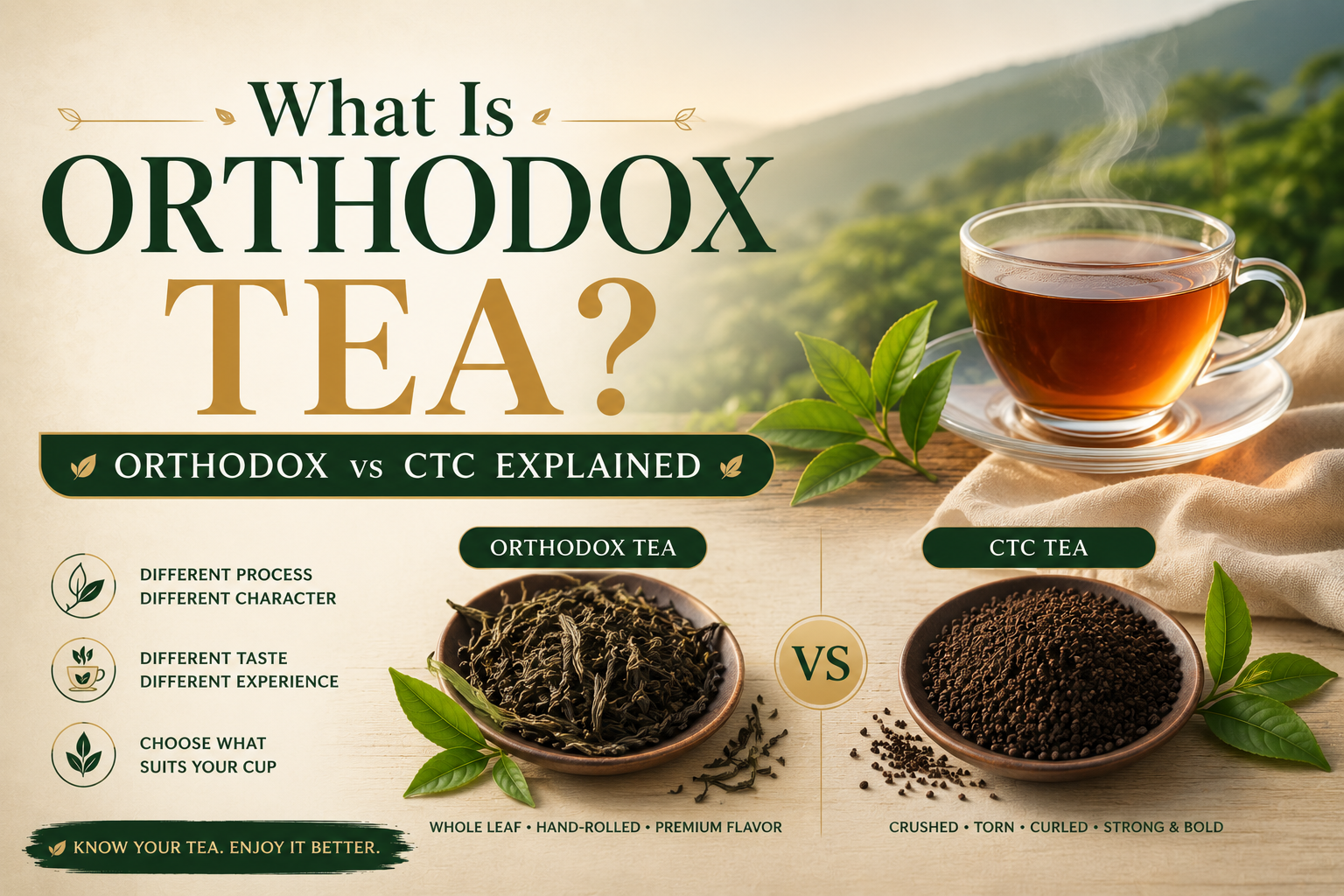
What "orthodox tea" means, the traditional whole-leaf process behind it, and how it differs from machine-made CTC tea — and why Darjeeling is orthodox.
If you have shopped for quality loose-leaf tea, you have seen the word orthodox. It is one of the most important quality markers in the tea world — and the reason Darjeeling tastes the way it does. Here is what orthodox tea means, and how it differs from the CTC tea in most tea bags.
Orthodox tea is tea made by the traditional, whole-leaf method, where the leaves are handled gently to keep them as intact as possible. This preserves the delicate oils and aromatic compounds that give fine tea its nuance, complexity and multiple infusions.
CTC stands for "Crush, Tear, Curl" — a machine method that chops leaves into uniform granules. CTC brews fast, strong and cheap, which is ideal for tea bags and milky masala chai, but it sacrifices aroma and subtlety. Orthodox keeps the leaf whole for a more refined, layered cup that rewards slow brewing and re-steeping.
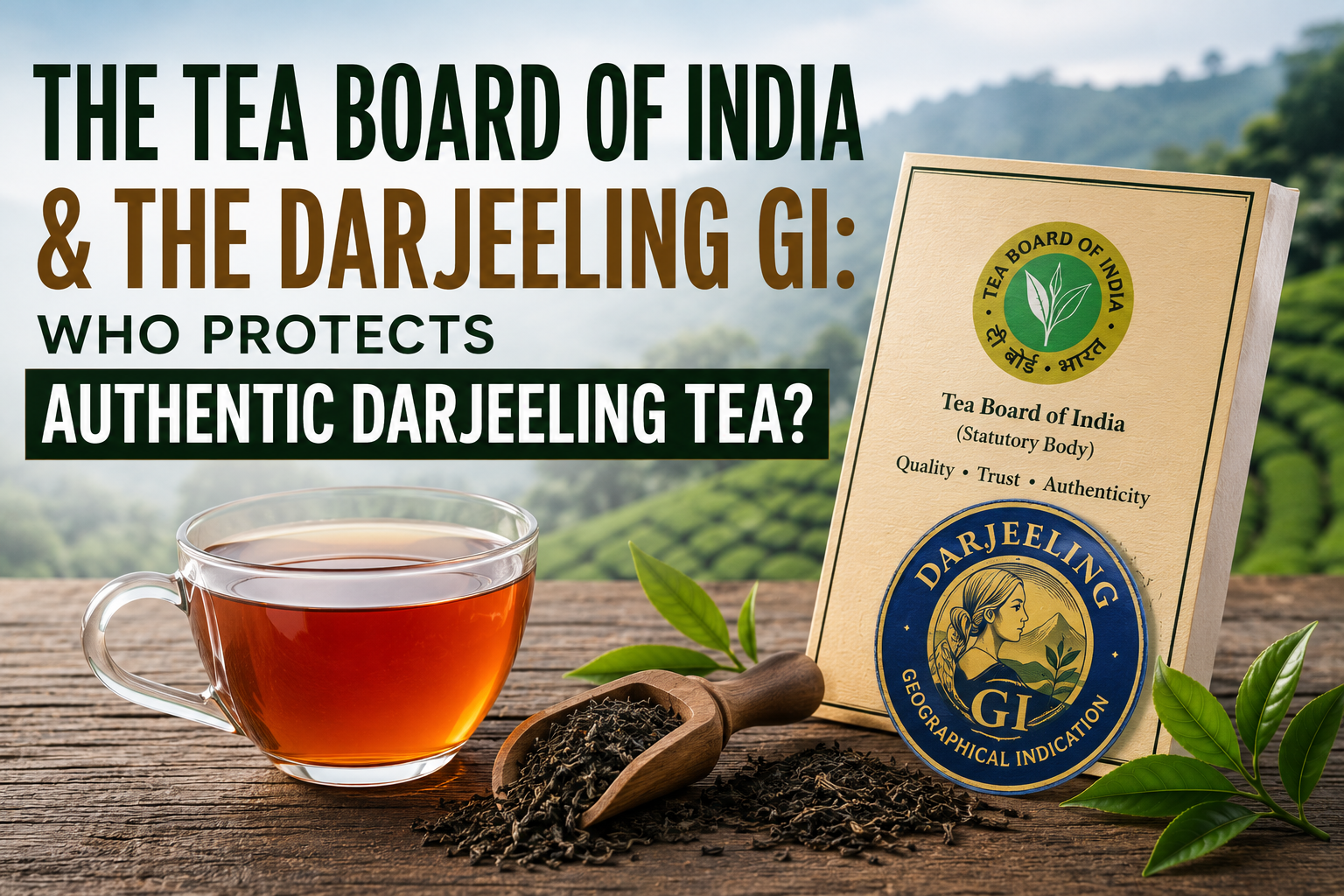
Darjeeling's whole-leaf, orthodox style is exactly what lets its floral and muscatel character shine. It is craft over volume — and it is why single-estate orthodox tea sits at the premium end of the market. Explore the difference for yourself in our orthodox Darjeeling collection, or learn how the region protects its quality in the Tea Board of India & the Darjeeling GI.
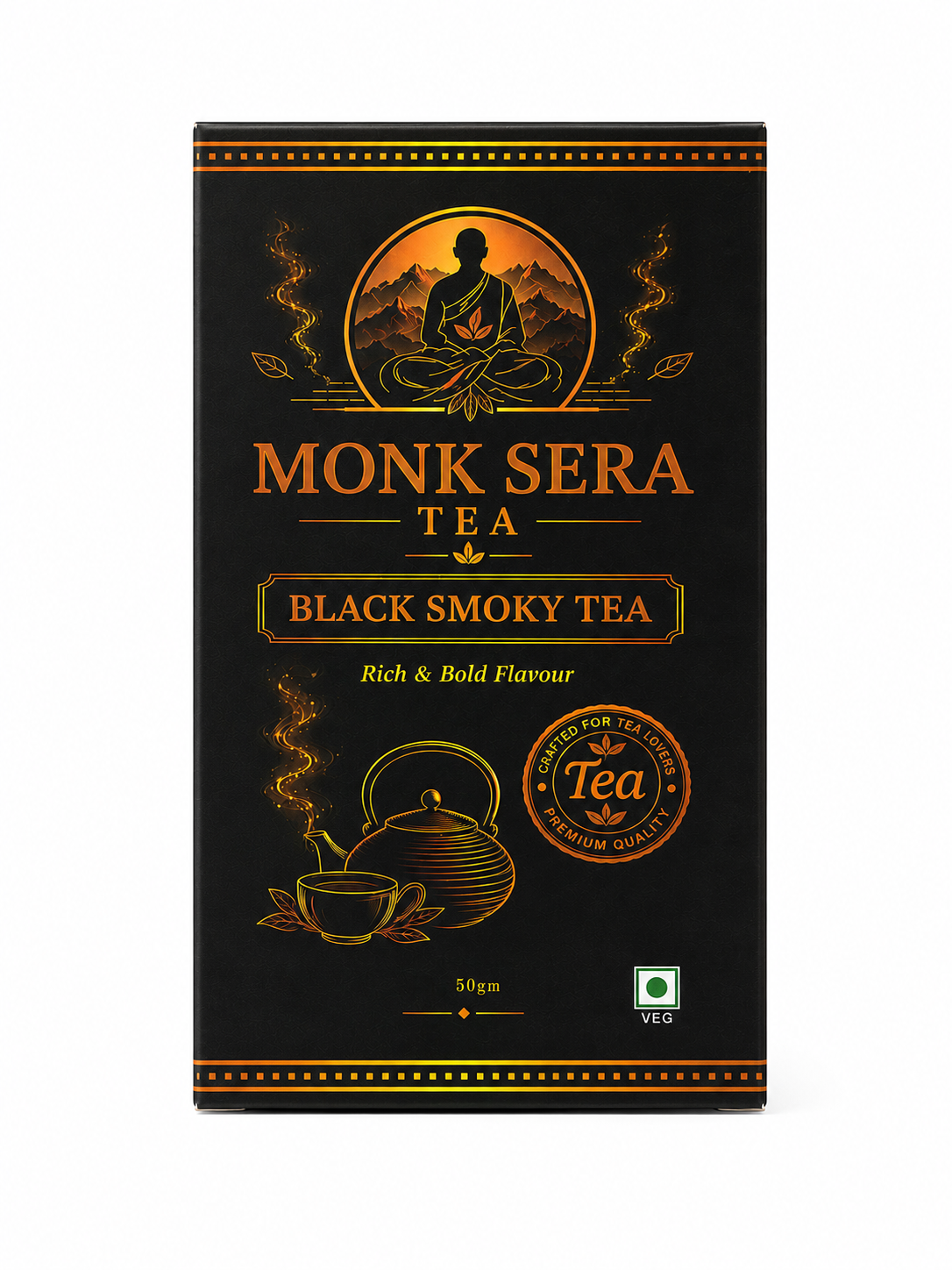
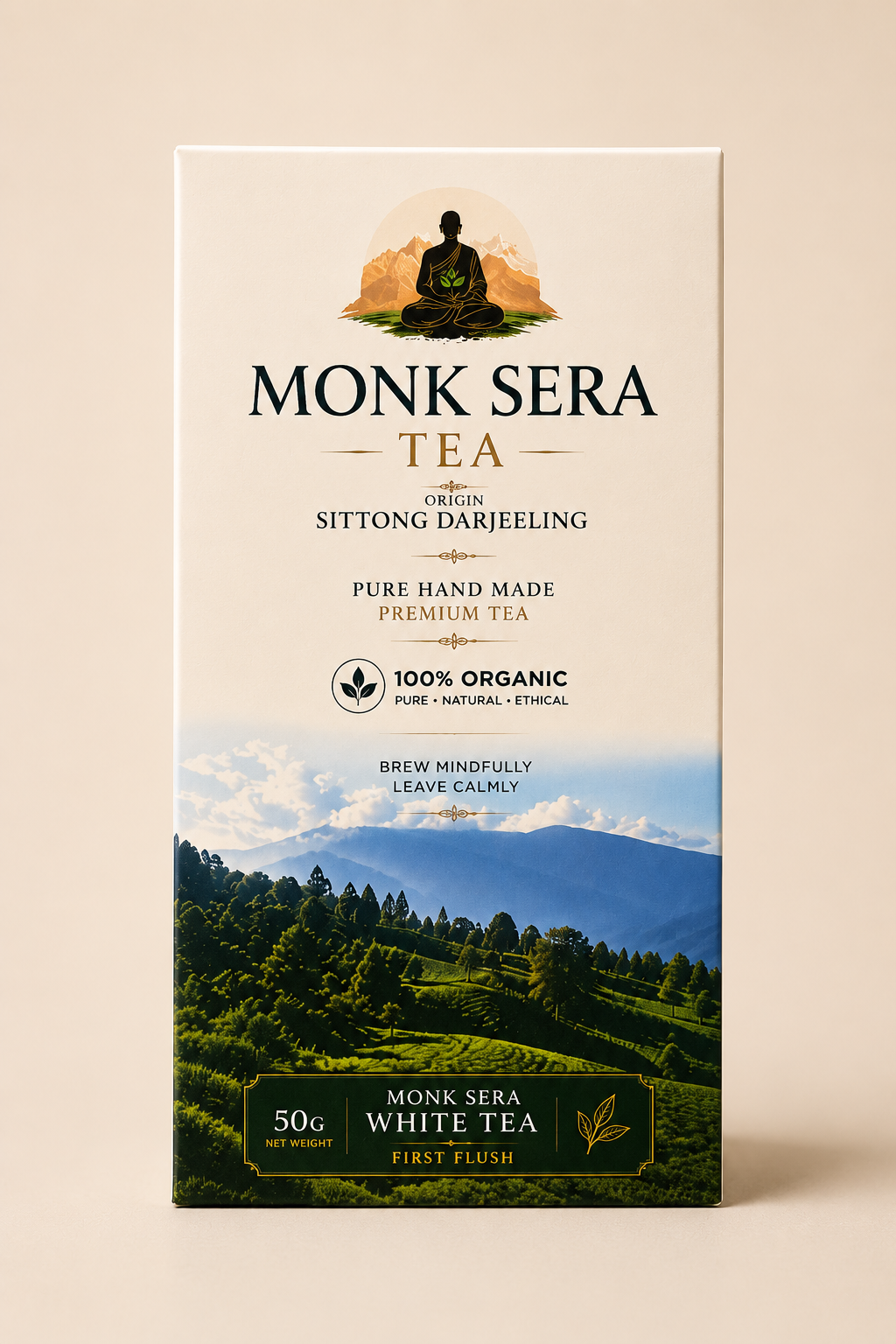
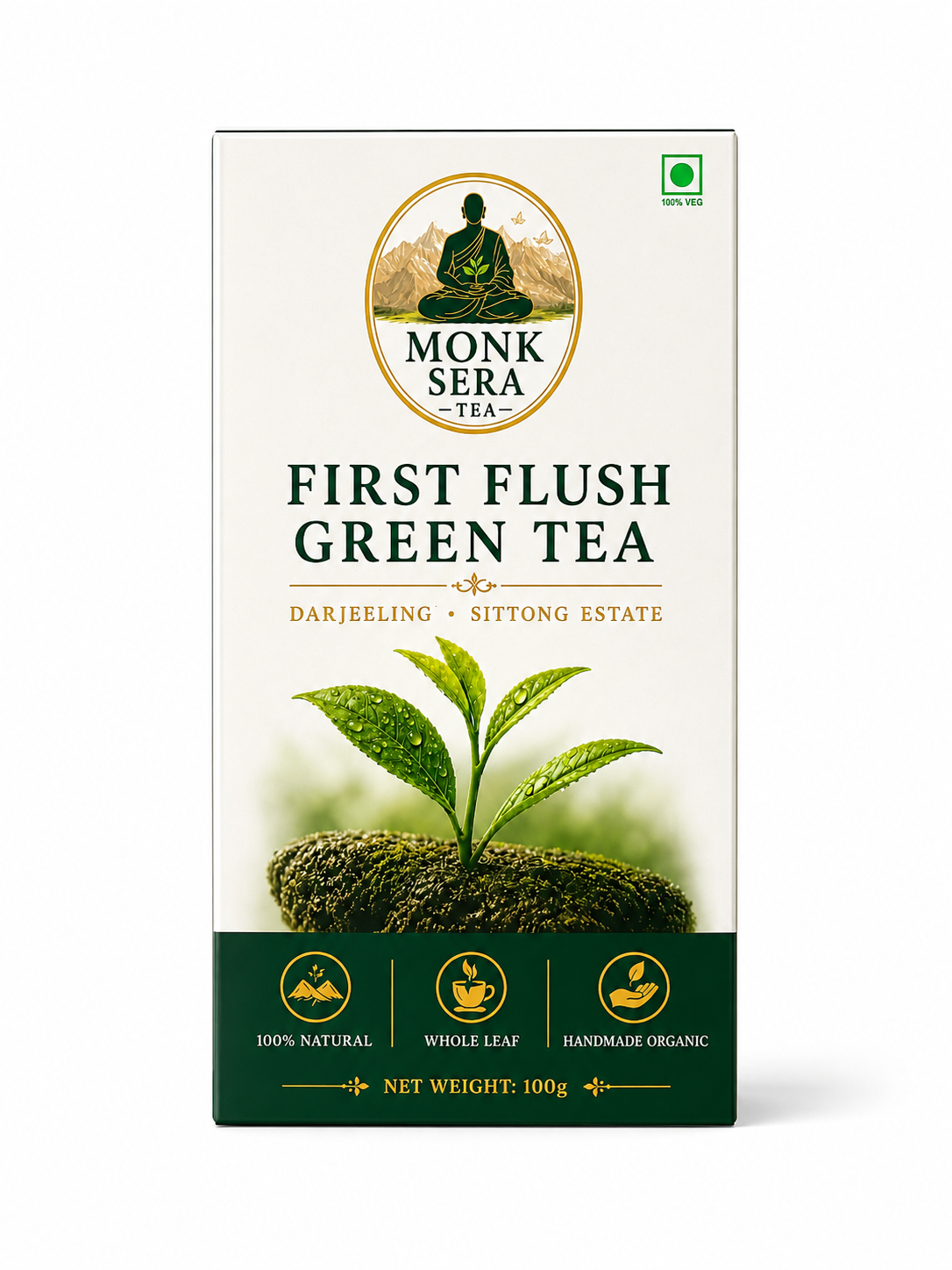
Explore our hand-crafted, single-origin Darjeeling and Sittong teas — small-batch, organic, shipped fresh. Brew Mindfully. Live Calmly.