 Monk Sera Tea
Brew Mindfully, Live Calmly
Monk Sera Tea
Brew Mindfully, Live Calmly
Monk Sera Tea
Brew Mindfully, Live Calmly
Monk Sera Tea
Brew Mindfully, Live Calmly
If you have ever wondered about Tea-to-Water Ratio: Measuring for the Perfect Cup, you are in good company. At Monk Sera we field this question often, and the honest answer…
If you have ever wondered about Tea-to-Water Ratio: Measuring for the Perfect Cup, you are in good company. At Monk Sera we field this question often, and the honest answer rewards a little context about How To Brew Darjeeling Tea, how it is grown in the Darjeeling Himalaya, and why small details make such a large difference in the cup.
How To Brew Darjeeling Tea rewards a little knowledge. Below you will find a clear, expert walkthrough — from the essentials to practical tips — plus answers to the questions we hear most at Monk Sera. Use the table of contents to jump to what matters to you.
Tea-to-Water Ratio: Measuring for the Perfect Cup sits at the heart of what makes Brewing Guides worth seeking out. The short version: quality starts in the garden — with altitude, careful cultivation and hand-plucking — and is preserved through small-batch, orthodox processing. Everything else, from aroma to brewing, follows from that foundation. Keep reading for the detail that turns a good cup into a great one.
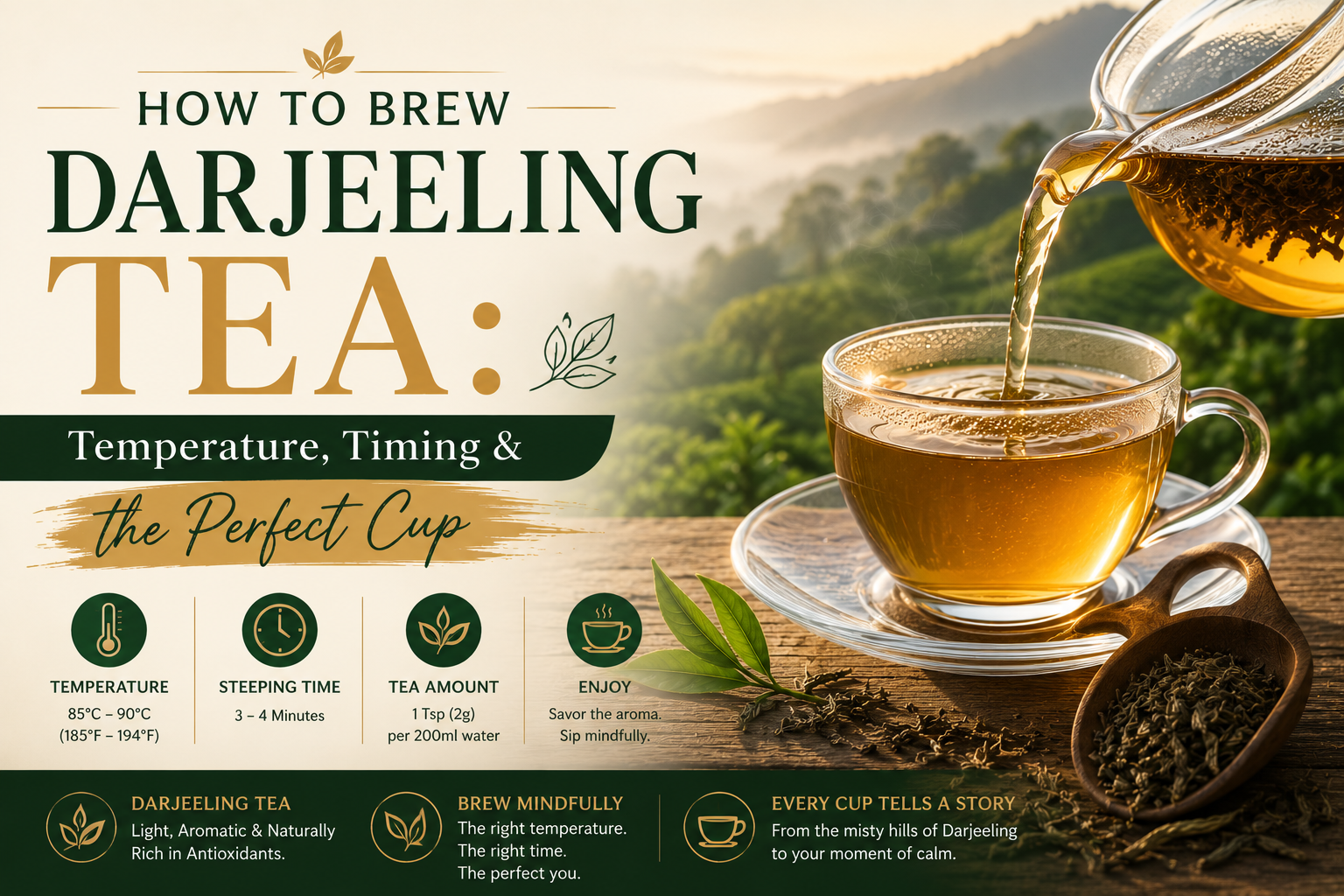
Four levers control every cup: leaf quantity, water temperature, steep time and water quality. Get these right and almost any good leaf will sing. As a starting point, use about 2–3 grams of leaf per 200 ml cup and adjust to taste.
Temperature matters more than most people realise. As a rule: white tea 80–85°C, green tea 75–80°C, oolong 85–90°C, black tea 90–95°C. Delicate teas scald in boiling water and turn bitter; cooler water keeps them sweet and aromatic.
The usual culprits: boiling water on green or white tea, too little leaf, steeping too long, and using stale or low-quality water. Another is squeezing the leaves or stirring aggressively, which releases bitterness. Gentle, attentive brewing is the fix.
For consistency, weigh your leaf: around 2–3 g per 200 ml is a reliable everyday ratio, scaling up for a pot. A small kitchen scale removes guesswork and helps you reproduce the cup you love, every time.
Start with 2–3 minutes for green and white, 3–4 minutes for black, and taste as you go. Over-steeping extracts harsh tannins; under-steeping leaves the cup thin. Fine loose-leaf tea will also give you multiple infusions from the same leaves.
Tea’s enemies are air, light, heat, moisture and strong odours. Keep leaves in an airtight, opaque container in a cool, dry cupboard — never in the fridge, and never next to spices or coffee. Stored well, quality loose-leaf tea stays fresh for many months.
One of the joys of whole-leaf tea is re-steeping. Many Darjeeling and Himalayan teas give two or three good infusions, each revealing a slightly different facet. Simply add a little time to each subsequent steep.
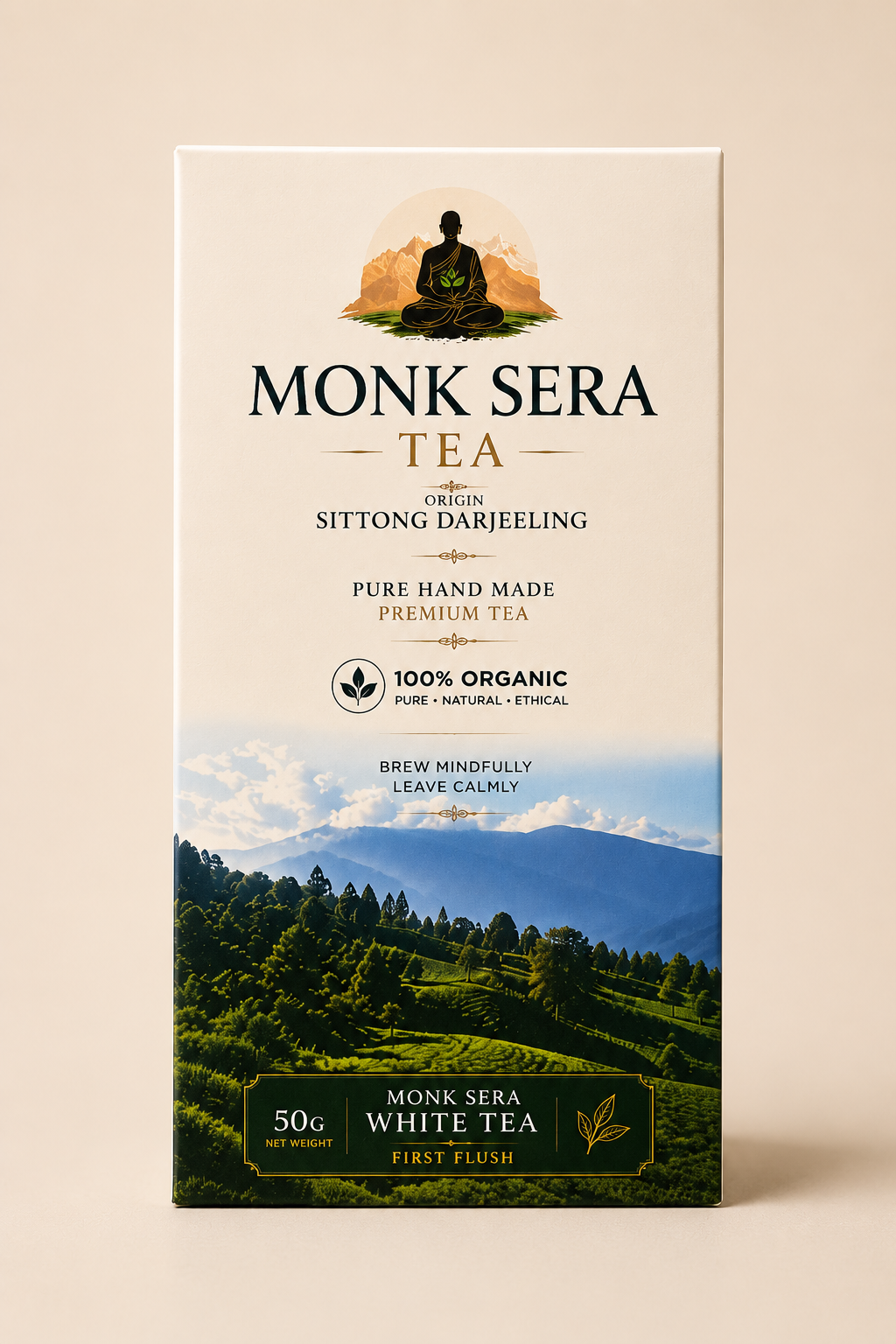
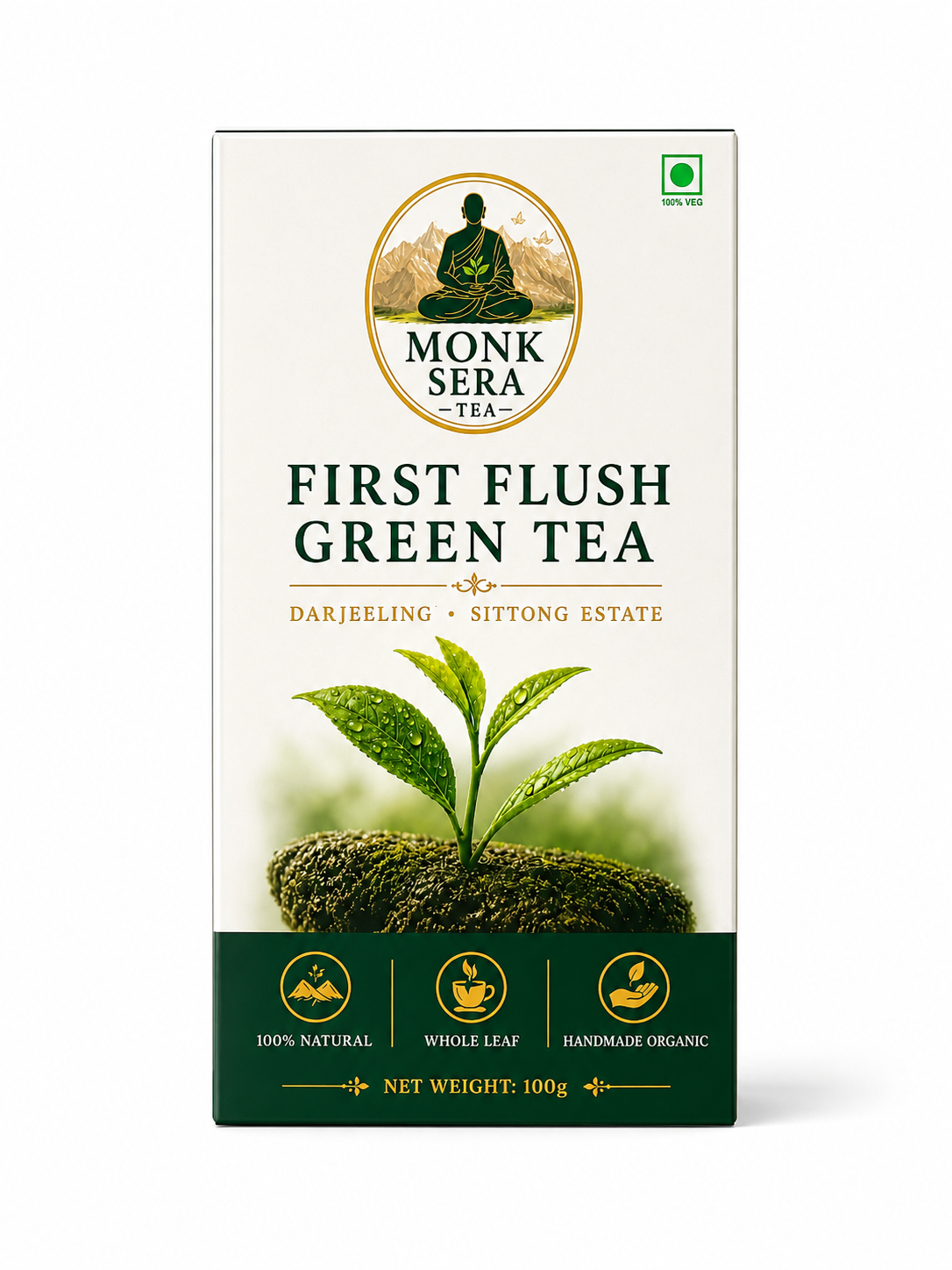
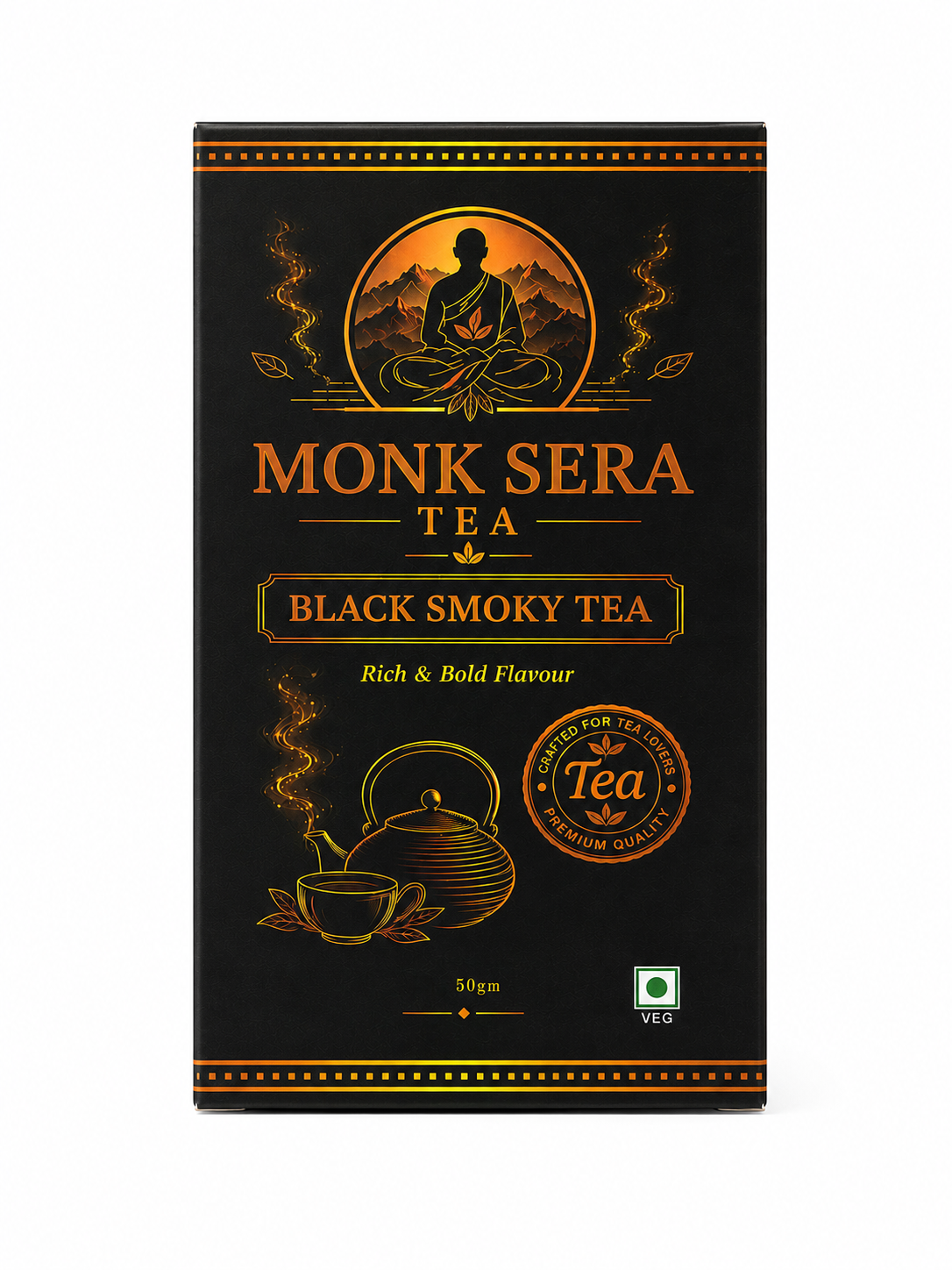
If this guide has you reaching for the kettle, here are two hand-crafted teas from our collection that pair beautifully with the topic above:
Browse the full range any time on our shop page.
The difference you taste in a premium Darjeeling cup is decided long before brewing. High elevation slows leaf growth, concentrating aromatic compounds; cool nights and bright days build the floral, muscatel notes the region is famous for. Our growers pluck by hand and process in small batches, which protects the delicate leaf and lets the tea master make judgement calls a factory line never could.
This is why single-origin loose-leaf tea consistently outperforms blended teabags: you get whole, intact leaves with their oils preserved, full traceability to a specific garden, and a flavour that reflects a real place and a real season.
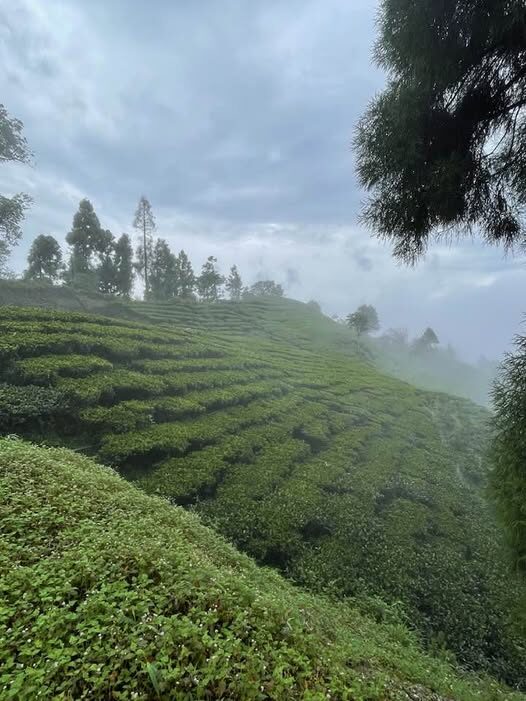
At Monk Sera Tea, every leaf begins in the cool, mist-fed slopes of the Darjeeling Himalaya — including the quiet, high-altitude gardens of Sittong. We work with small-batch growers who still hand-pluck only the tender two leaves and a bud, the standard that separates truly fine tea from commodity blends. Nothing is rushed: leaves are withered, rolled, and finished in small lots so that each harvest keeps its origin character intact.
Our philosophy is simple and it is stitched into our motto, “Brew Mindfully. Live Calmly.” We believe great tea should be single-origin, organically grown, and honestly made — without artificial flavouring, dust-grade fillers, or anonymous sourcing. When you choose Monk Sera, you are choosing authentic, GI-region Darjeeling tea that supports Himalayan growers and sustainable cultivation.
Beyond flavour, tea is an invitation to slow down. Heating the water, warming the pot, watching the leaves unfurl — these small acts anchor you in the present. A mindful cup is one of the simplest wellness practices there is: a few quiet minutes that reset attention and ease stress. That is the calm we hope every Monk Sera cup brings to your day.
Tea-to-Water Ratio: Measuring for the Perfect Cup is ultimately about respect for the leaf — honest sourcing, careful craft and mindful brewing. Choose How To Brew Darjeeling Tea from a transparent, single-origin grower, brew it with a little care, and you will taste the difference in every cup. At Monk Sera, that is exactly what we set out to deliver: authentic Himalayan tea, made well, for a calmer everyday ritual.
Explore our hand-crafted, single-origin Darjeeling and Sittong teas — small-batch, organic, and shipped fresh across India. Brew mindfully. Live calmly.